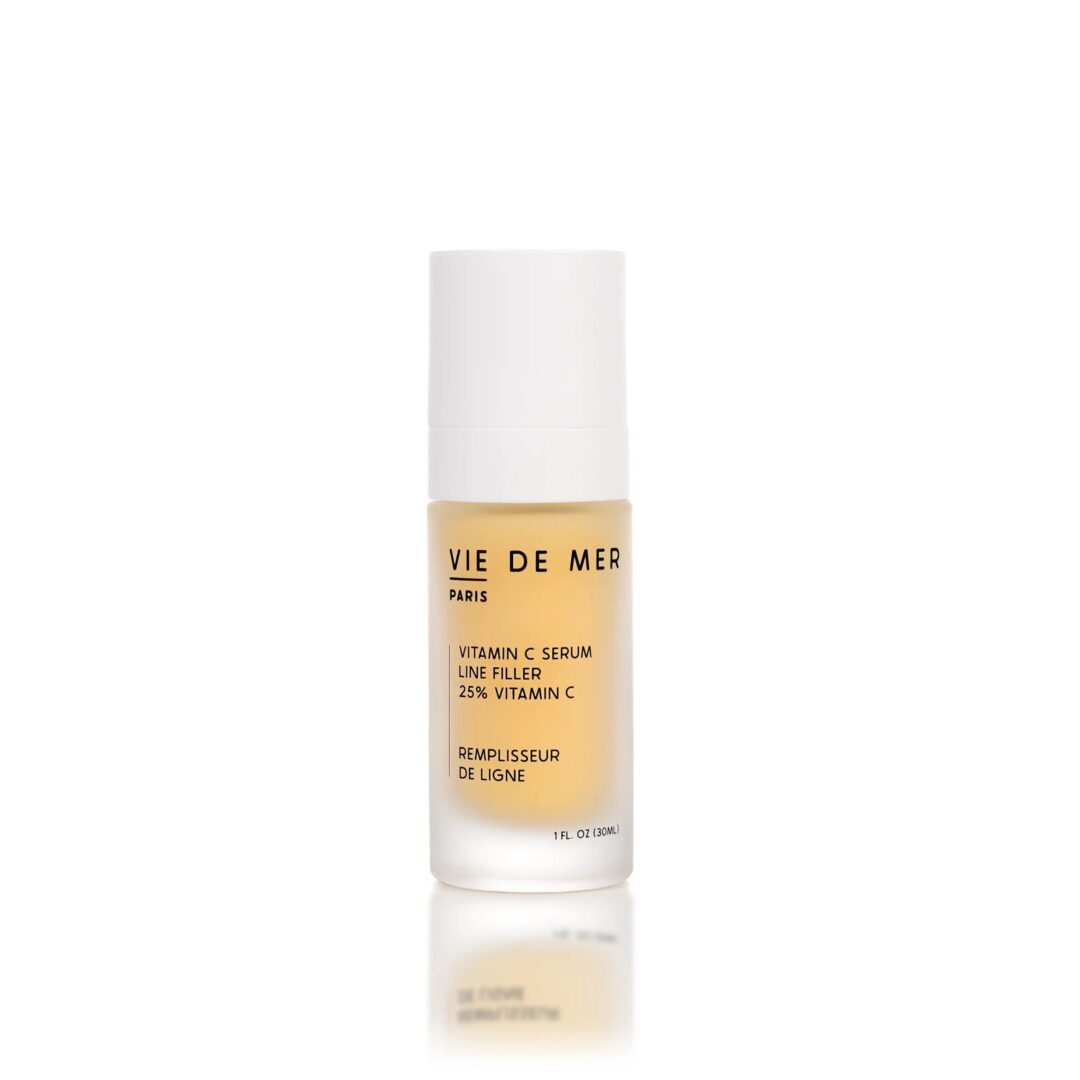
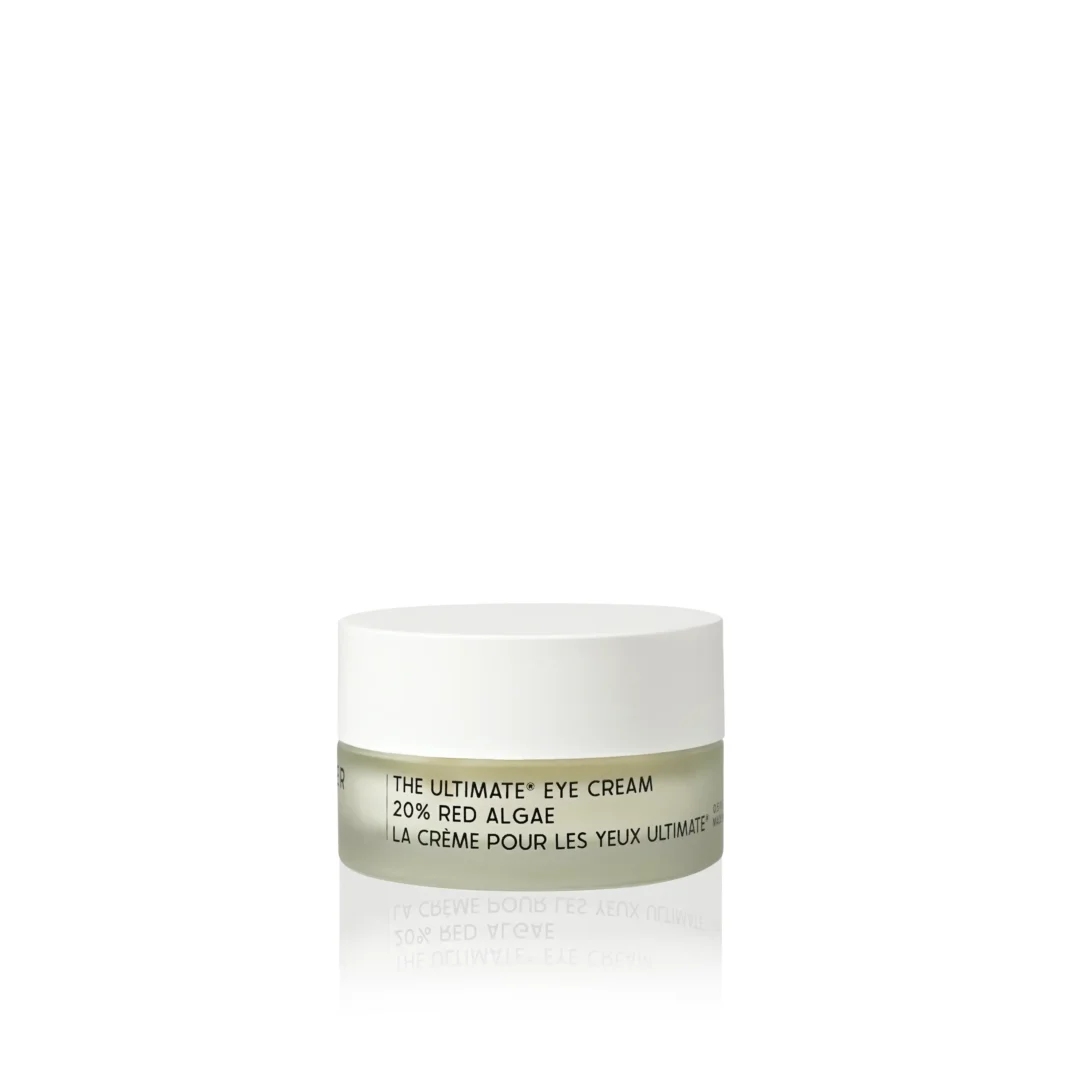
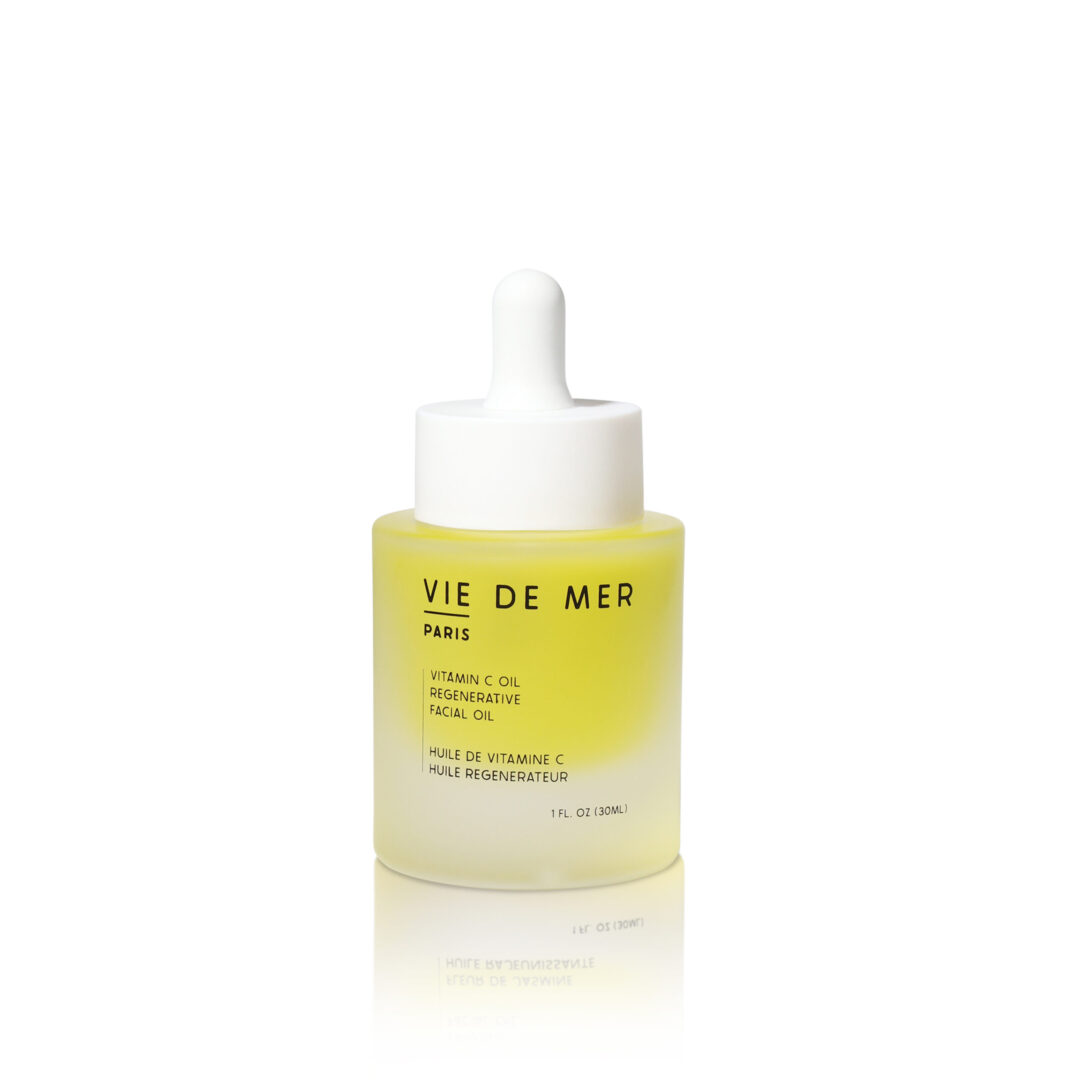
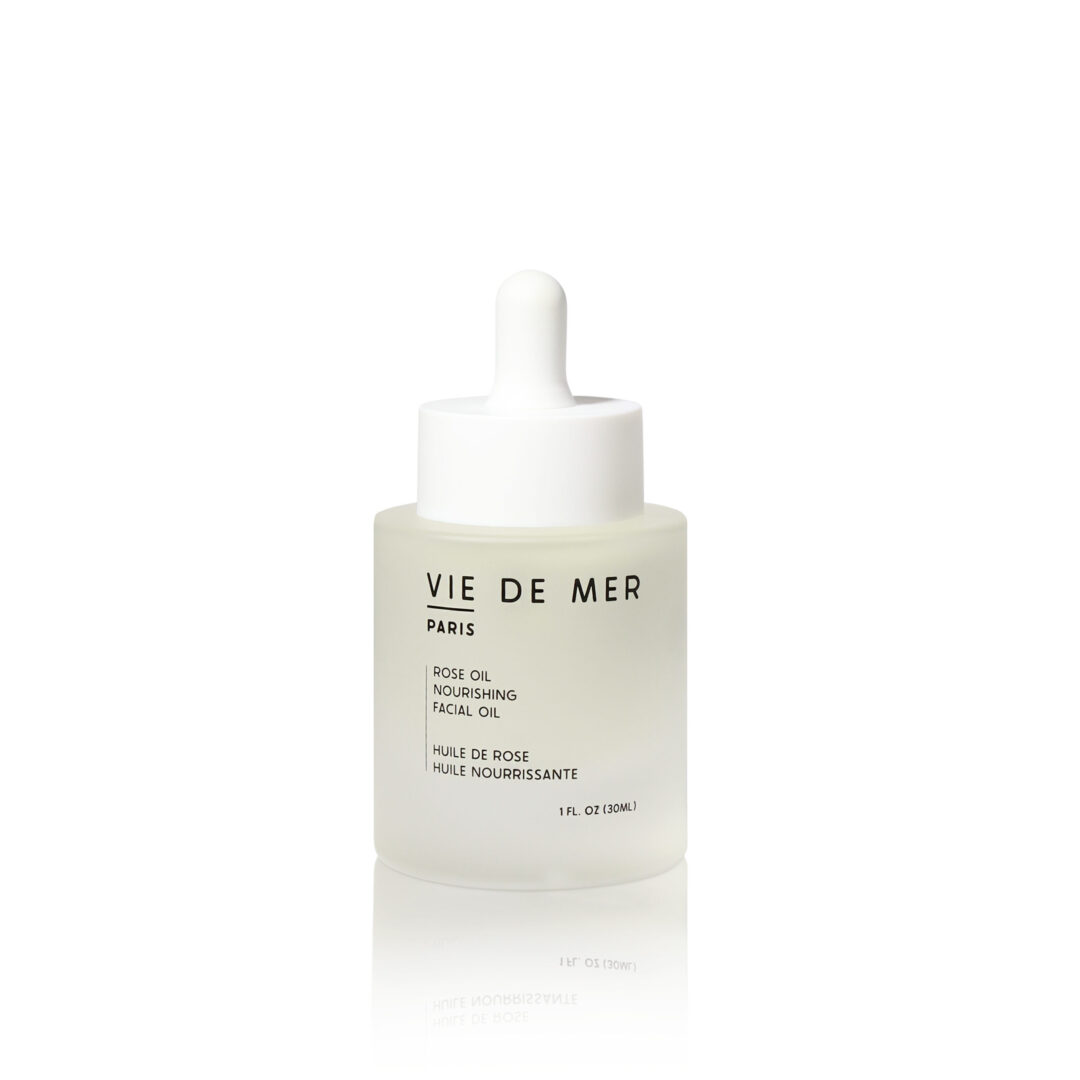
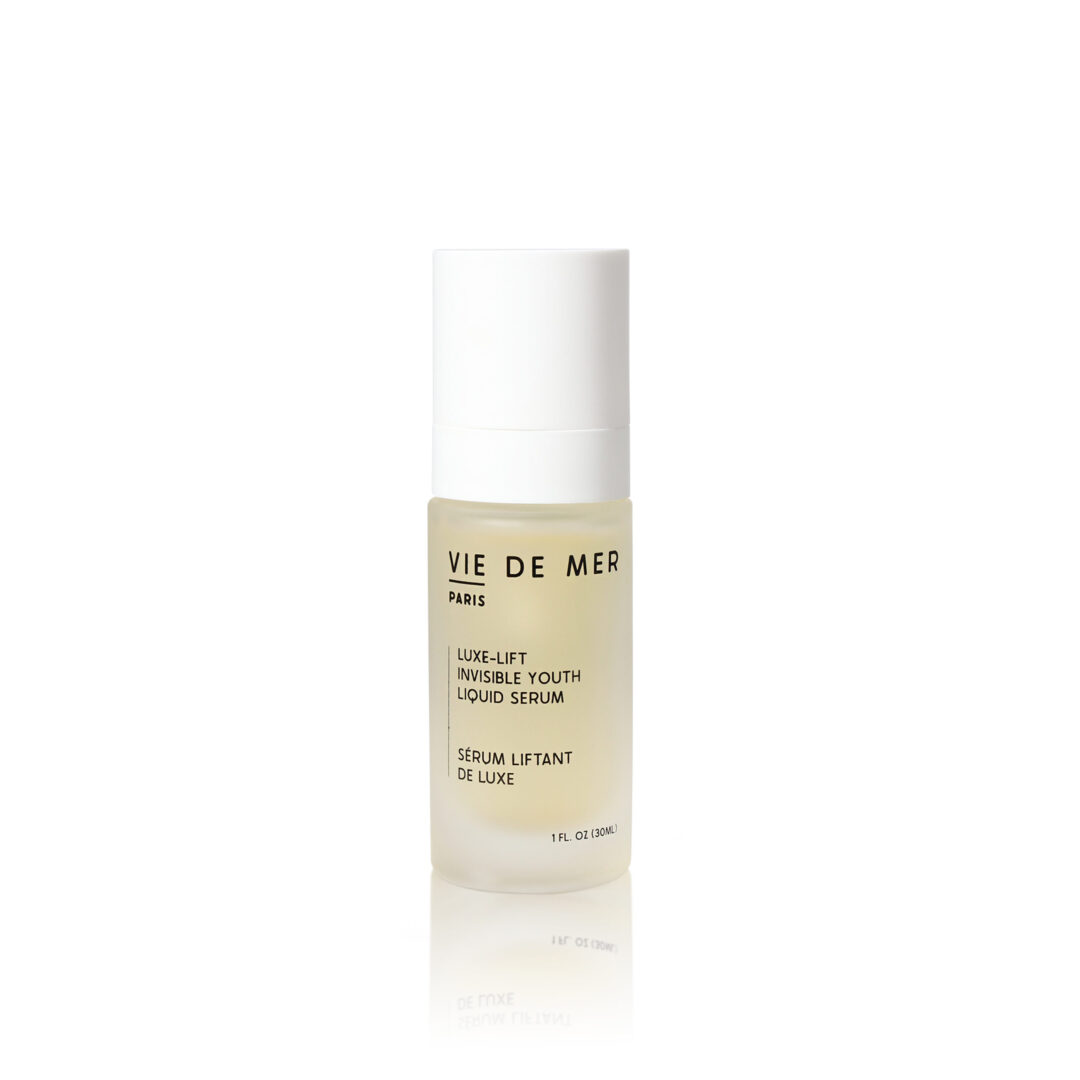
Hyperpigmentation appears as dark spots, uneven skin tone, or discoloration, often following sun exposure, hormonal changes, or inflammation. These spots form when excess melanin is produced in certain areas of the skin due to overstimulation from UV rays, hormones, or injury.
Whether caused by sun exposure (sunspots), acne scars (post-inflammatory hyperpigmentation), or melasma, excess melanin is deposited unevenly in the skin.
Fade dark spots. Brighten tone.
Hyperpigmentation is one of the most common complexion concerns. The most effective way to treat this is through consistent application of brightening agents, supported by daily sun protection.
Key ingredients like vitamin C, niacinamide, and alpha arbutin help to reduce the appearance of pigmentation by interrupting melanin synthesis and promoting brighter, more even skin.
Ingredients proven to target Hyperpigmentation
Vitamin C
Brightens the skin by inhibiting tyrosinase, the enzyme responsible for melanin production, while also providing antioxidant protection. Its ability to boost collagen helps strengthen the skin and fade dark spots over time.
Retinol
Stimulates collagen production and accelerates cell turnover. Retinol helps fade fine lines, improve texture, and increase skin firmness by promoting new collagen formation — making it a gold-standard ingredient for aging and acne-prone skin.
Alpha Arbutin
A natural skin brightener that gently reduces hyperpigmentation by slowing melanin production. It offers an effective alternative to hydroquinone with fewer side effects.
Licorice Root Extract
Contains glabridin, which inhibits pigmentation and calms inflammation. It’s especially helpful for post-inflammatory pigmentation and sensitive skin.
Ferulic Acid
Boosts the stability and efficacy of other antioxidants like vitamin C and helps prevent oxidative stress. This compound enhances the brightening power of multi-ingredient formulas.